THE PAZ FIELD GUIDE / CHOOSE · PLAY · CARE
Good drums invite
curiosity.
Get to know the wood, the voice, and the rhythm. A hands-on field guide to finding—and enjoying—your kind of drum.
Find your starting point Everyday questions & good things to know ↓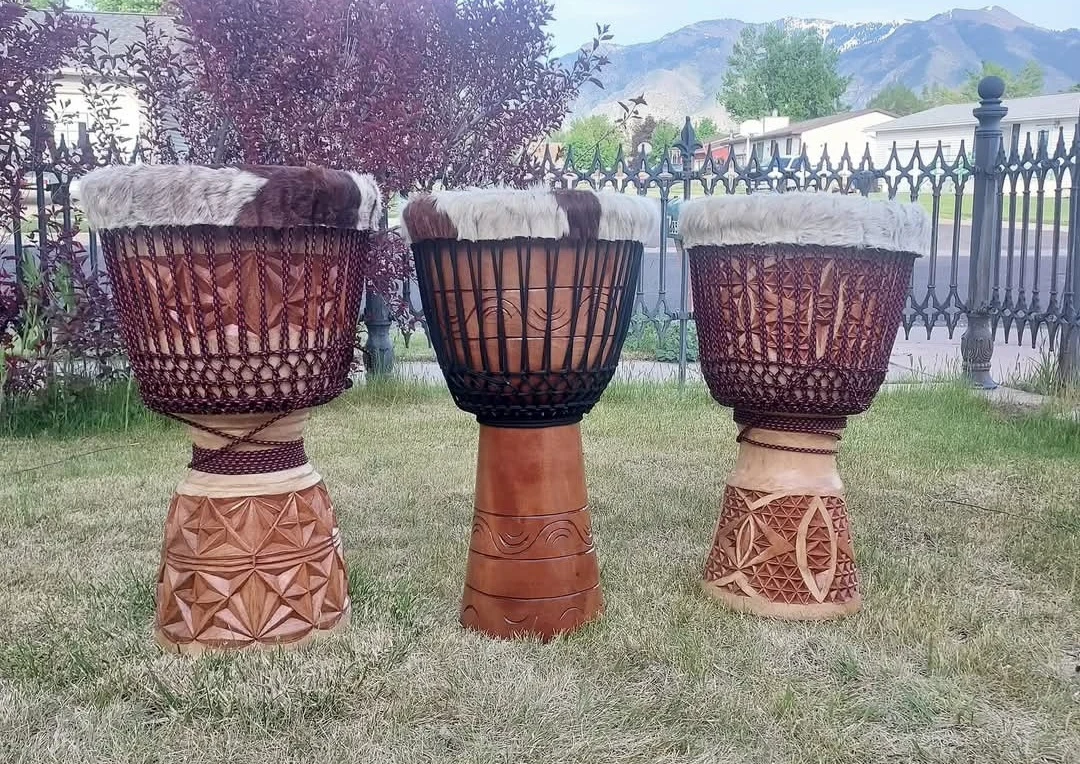
SMALL GUIDES. USEFUL ANSWERS.
Follow your curiosity.Get to know
your instrument.
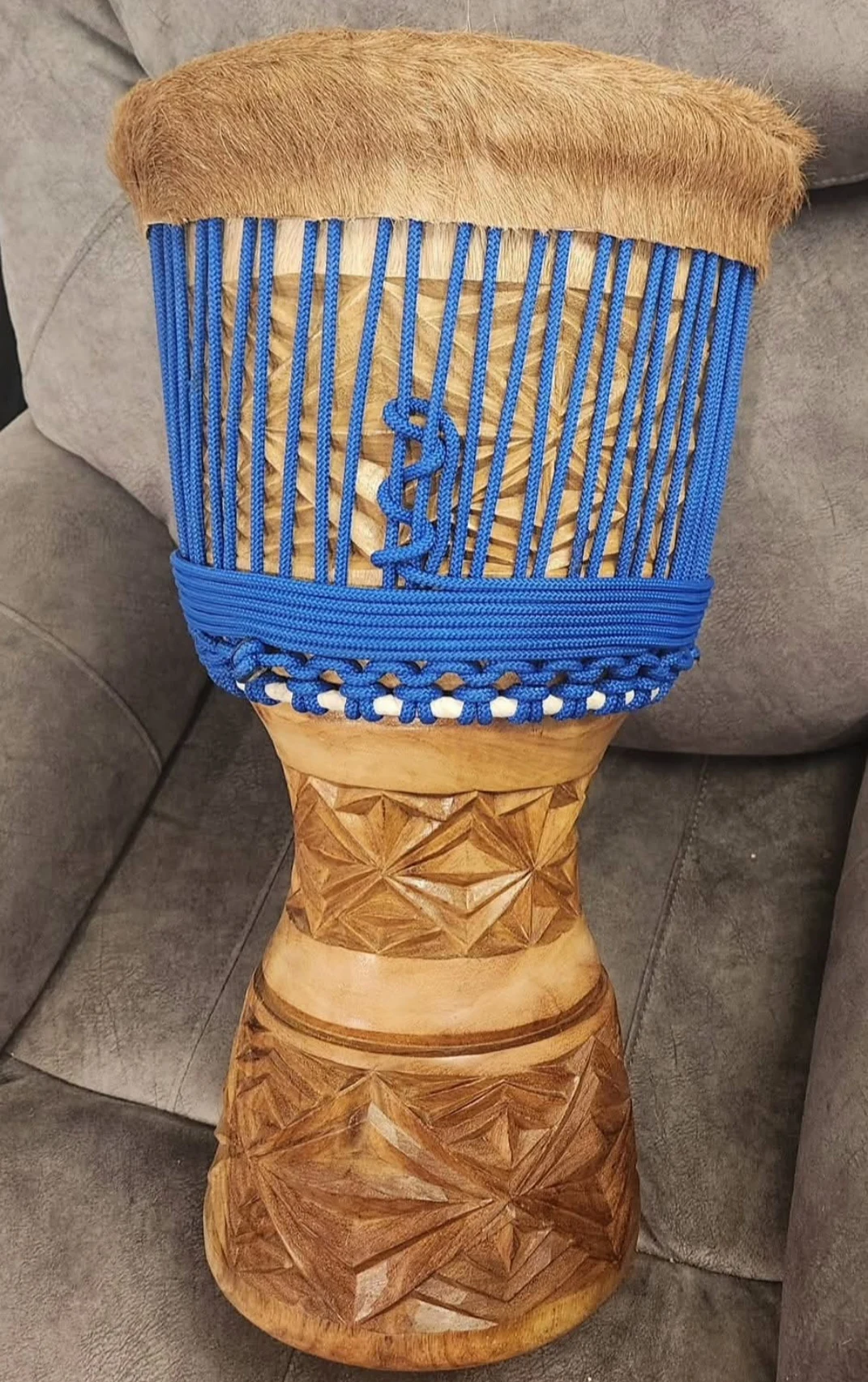 Wood. Rope. Hide. A whole world of rhythm.
One drum. Many voices.
Meet the West African goblet drum: its roots, its parts, and the three sounds that open the door to playing.
Explore the guideFind your fit. Then your sound.
Head diameter, height, weight, and shell shape: understand the tradeoffs before choosing your djembe.
Explore the guide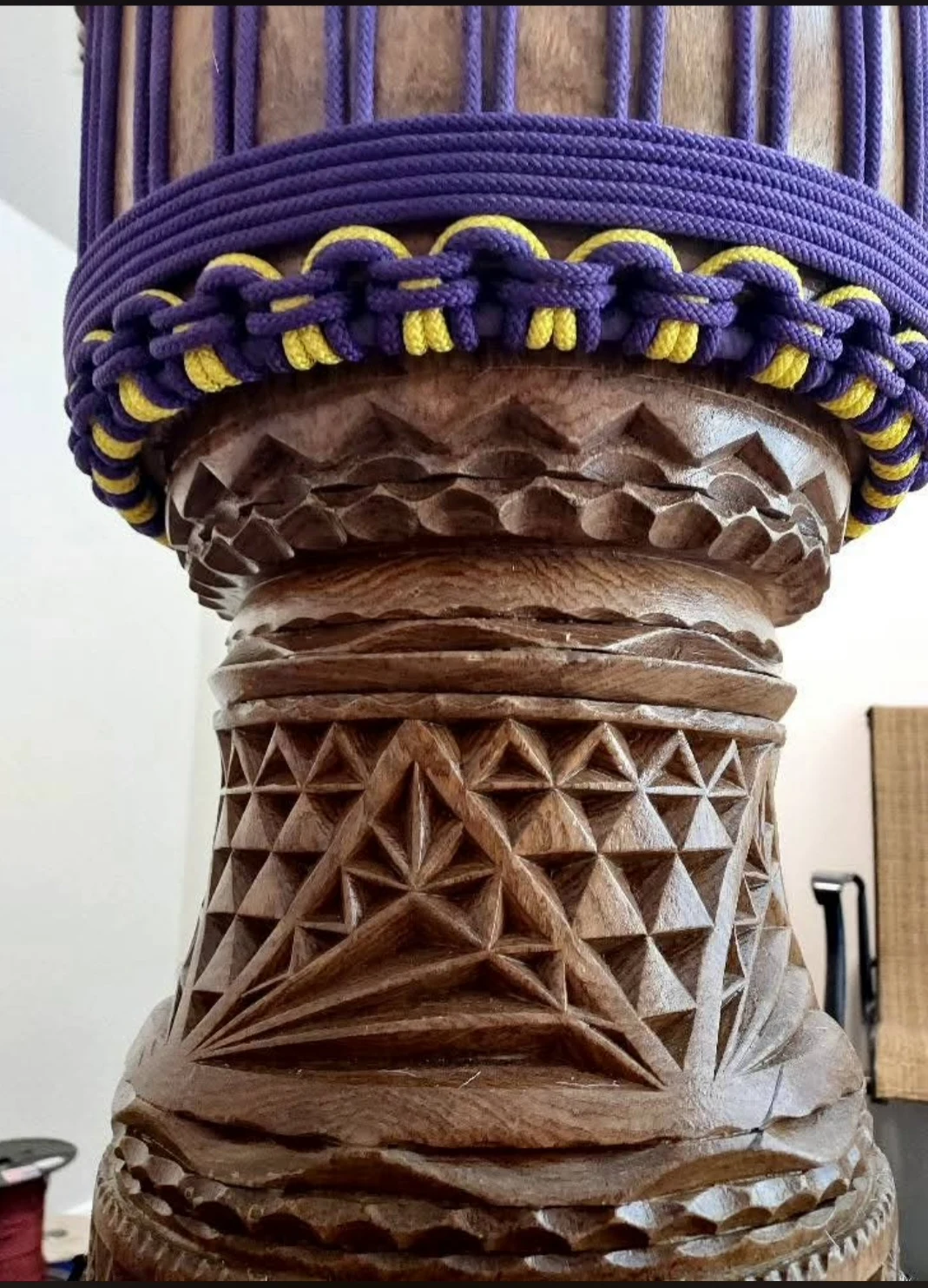 Get close to the details.
Look closer. Listen longer.
Evaluate a djembe’s shell, bearing edge, head, rope, fit, and actual sound before you buy.
Explore the guideThree sounds. A place to start.
Start slowly with bass and tone, understand the slap, and try a simple visual four-beat practice exercise.
Explore the guideKeep the good sounds coming.
A practical care guide for wooden djembes with natural heads: storage, weather, cleaning, and signs to ask for help.
Explore the guide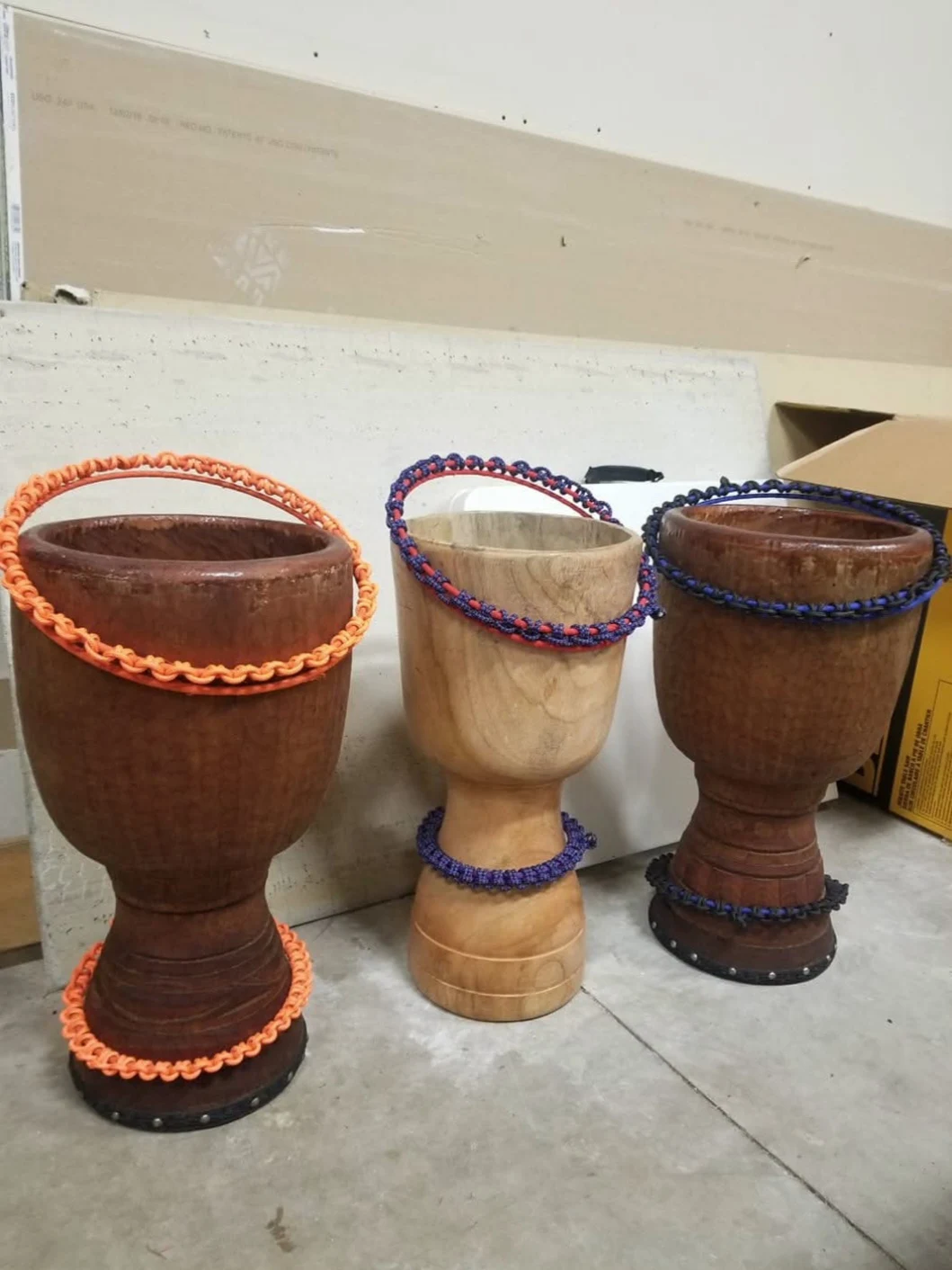 The voice starts with the build.
Why does this drum sound different?
Understand why djembes sound different and what to check before changing rope tension.
Explore the guideFind the words for your sound.
Describe the djembe sound you love: body, brightness, attack, decay, and playing response. A practical listening guide with credit and links to Audiowords.
Explore the guideLESS READING. MORE DISCOVERING.
Find the voice
under your hands.
A low bass. An open tone. A bright slap. Start with where you play, then get curious about how you touch the head.
Take your first strokes ↗A LITTLE LISTENING MAP
Same head.
Different voices.
Choose a voice to see where to begin.
Start near the center.
Let your hand rebound so the head can ring. Listen for the low voice rather than chasing volume.
A position map, not a full hand-technique lesson. Tone and slap share the edge area; touch and release make the difference. Explore stroke technique ↗
A QUICK TOUR
More than
a beautiful shape.
Tap a part. Get to know what it does.
MEET THE INSTRUMENT
The surface that speaks.
Your hands set the head in motion. Material, thickness, tension, and touch all contribute to the response.
A STARTING POINT, IN THREE QUESTIONS
A drum for
your kind of playing.
This helps you prepare a conversation about fit. It does not assign a drum size or promise a particular sound.
Read the size & shape guide ↗THE DRUM IN EVERYDAY LIFE
Practical questions. Thoughtful choices.Good questions.
Useful next steps.
Different details. Different possibilities.Same size. Different voices.
Compare two djembes fairly: listen beyond head diameter, control the recording setup, and describe what you prefer.
Explore the guideKeep the rhythm. Lower the volume.
Plan considerate djembe practice at home, including silent timing work, gentle playing, and realistic expectations about sound.
Explore the guide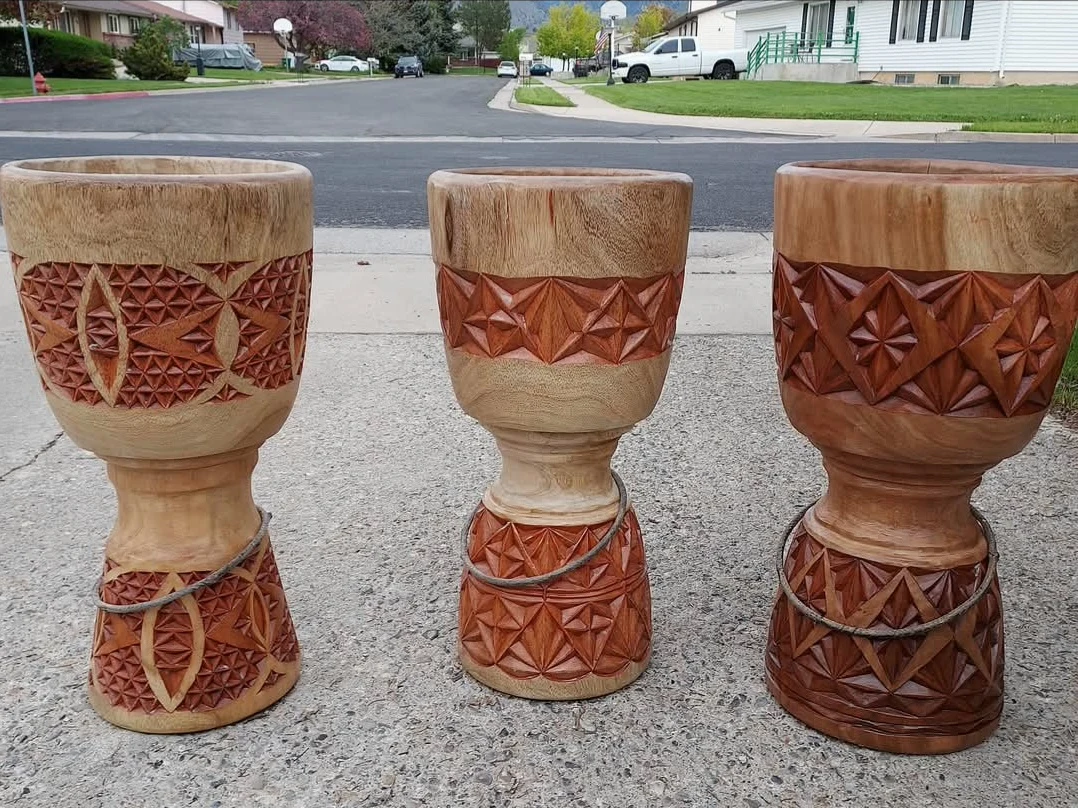 Know what to look for.
A bargain. Or a repair project?
Inspect a used djembe, ask about repairs and head condition, and compare its full cost before deciding.
Explore the guide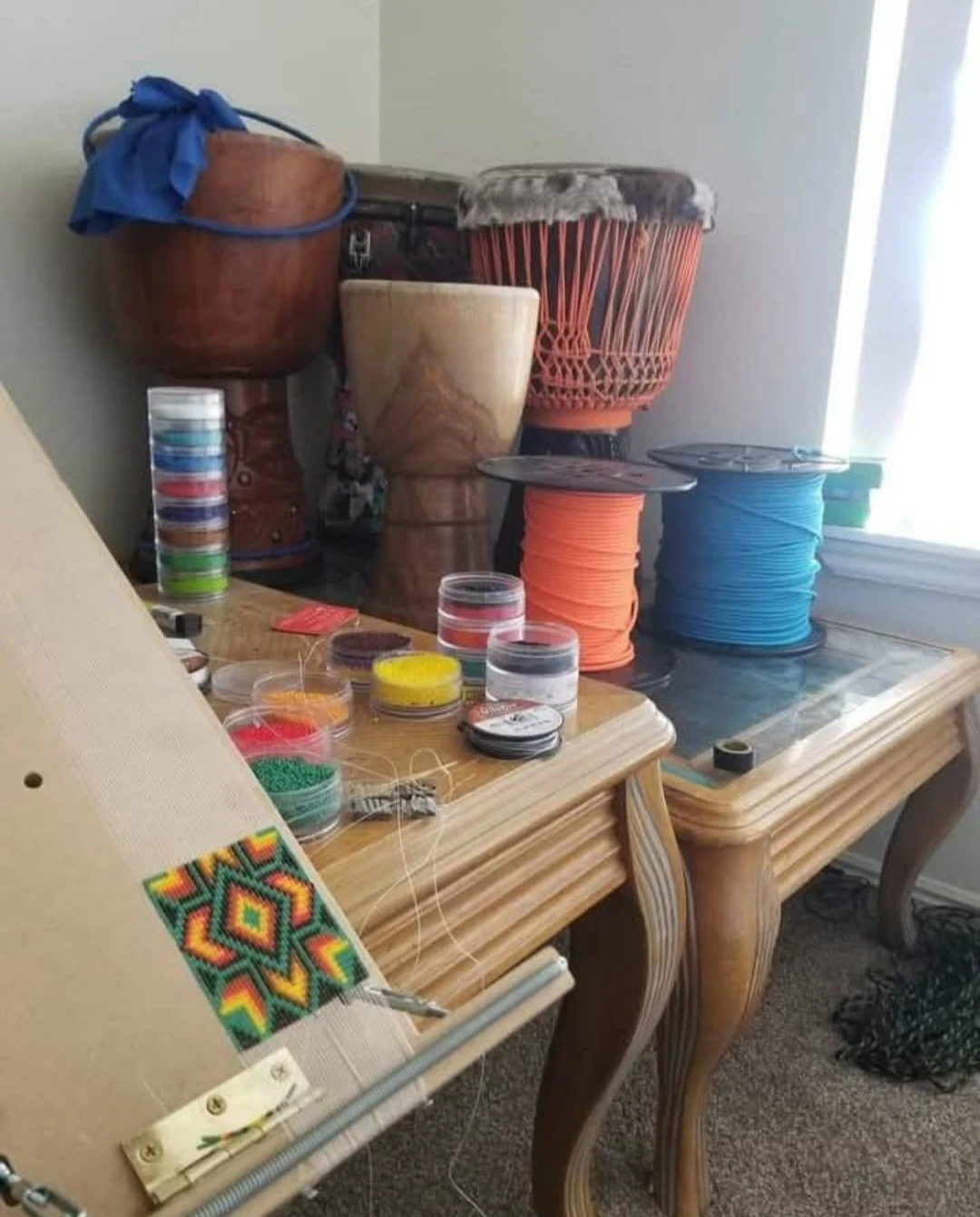 Your ideas meet the workbench.
Make room for your own ideas.
Compare a finished drum with a custom commission, prepare a useful brief, and know what to confirm before a build.
Explore the guideBring your drum. Bring your ears.
A beginner-friendly drum circle packing checklist, questions for the organizer, and simple ways to listen and join in.
Explore the guide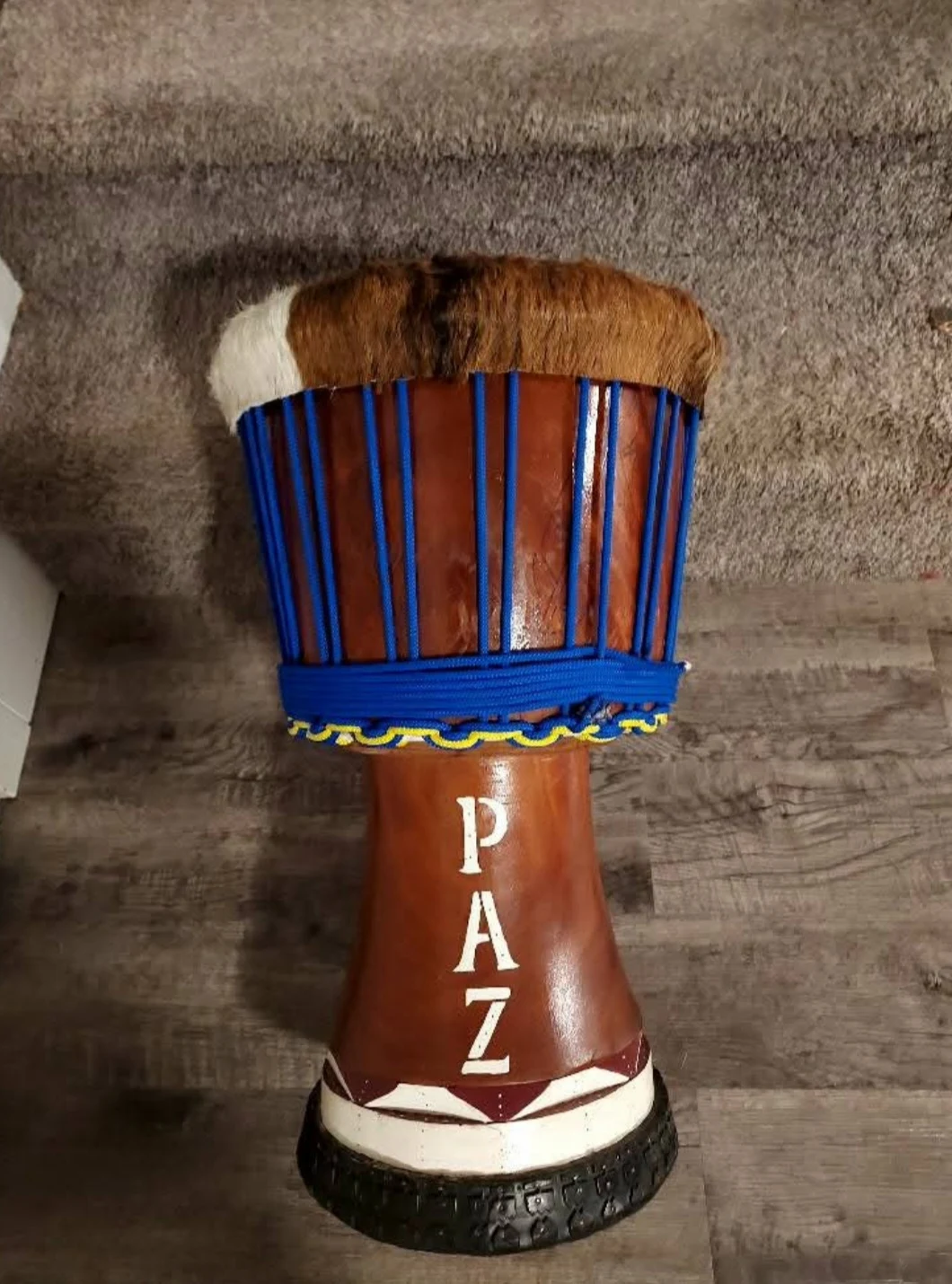 Something with a little character.
A thoughtful gift. A personal fit.
Choose a djembe gift with the recipient’s size, setup, sound preferences, and carrying needs in mind.
Explore the guideTHE QUESTIONS BEHIND THE QUESTIONS
Wondering about
something else?
Do I need musical experience?
No prior experience is required to begin. Start with a pulse and two contrasting sounds, then get feedback on your technique. Explore the guide ↗
Is a bigger djembe always better?
No. Compare reach, playing space, carrying weight, and actual sound together. A large head that feels awkward is not an upgrade for you. Explore the guide ↗
Does a beautiful carving mean a better sound?
Carving can be part of the appeal, but it does not replace checking the shell, edge, head, tuning, and sound. Explore the guide ↗
Can I play outdoors?
Choose dry, suitable conditions and protect natural wood and hide from rain, direct sun, and extremes. A bag helps with transport; it does not turn a natural head into an all-weather head. Explore the guide ↗
Why does my drum sound different from a video?
The player, room, recording setup, head, and tuning all matter. Ask for a recording of the actual instrument and try it yourself when possible. Explore the guide ↗
Should I buy a finished drum or commission one?
A finished drum can be evaluated as it is. A commission begins with a discussion of fit, voice, materials, appearance, budget, and timing. Get the design and terms confirmed before committing. Explore the guide ↗
What should I check before buying used?
Ask about damage and repairs, head condition, measured dimensions, sound, and possible reheading costs. Request current photos and clear sale terms. Explore the guide ↗
Do I need to oil the skin?
Ask the maker first. Recommendations differ, and a product suitable for one head or finish may not suit another. Explore the guide ↗
What should I bring to a drum circle?
Ask the organizer about instruments, seating, and the session format. Listen first, keep your part simple, match the group’s volume, and ask before playing someone else’s drum. Explore the guide ↗
Can you help me choose a gift or a child’s drum?
Start with the player’s size, seating, ability to carry it, and interest in learning. Discuss the recipient’s needs and sale terms with Justin rather than guessing from age alone. Explore the guide ↗
Why do two same-sized drums sound different?
The head diameter is only one variable. Compare actual instruments using the same player, phrase, and recording setup, then describe the voice and feel you prefer. Explore the guide ↗
Can I practice in an apartment?
Plan suitable times, check what people in adjacent spaces hear, and combine quiet counting and movement work with gentle playing where appropriate. Acoustic drums are not silent. Explore the guide ↗
How do I explain the sound I’m looking for?
Start with body, brightness, attack, decay, and how the drum responds to a lighter touch. Pick the qualities that matter to you—or simply describe a sound you love. Explore the guide ↗
For the drum-circle answer: Village Music Circles — Drum circle etiquette. Other answers link to guides with topic-specific references. General guidance; individual instruments and playing needs vary.
FROM LEARNING TO LISTENING
Bring your questions.
Meet the maker.
Justin carves, finishes, heads, and tunes Paz drums in Spokane. Discuss a finished instrument or explore what a custom build could be.